
Have a question about Upper Eyelid Blepharoplasty?
In this article
- How do you know if the problem is your eyelids, your brows, or both?
- When does combining a brow lift with upper eyelid surgery make sense?
- When is it better not to combine them?
- What changes in recovery if you combine a brow lift with upper blepharoplasty?
- What should international patients ask before deciding?
- How does combining the procedures affect cost and planning?
If you are asking should I combine a brow lift with upper eyelid surgery, you are usually trying to solve a very specific problem: heavy upper lids that may not be coming only from the eyelid itself. This is where many patients get confused, because the eyebrow position and the eyelid skin affect each other, and treating the wrong one can leave you with a result that feels incomplete.
How do you know if the problem is your eyelids, your brows, or both?
Upper eyelid blepharoplasty removes or reshapes excess skin and sometimes a small amount of fat from the upper lid. A brow lift raises a low or descended brow. They can look similar in the mirror because both can create hooding, make makeup harder to apply, and give a tired expression.
The key question is where the heaviness starts. If the brow has dropped and is pushing skin down onto the lid, removing eyelid skin alone may not fully fix the issue. In some cases, it can even make the space between the lashes and the brow look shorter than you expected. That is why a careful exam matters more than online photos.
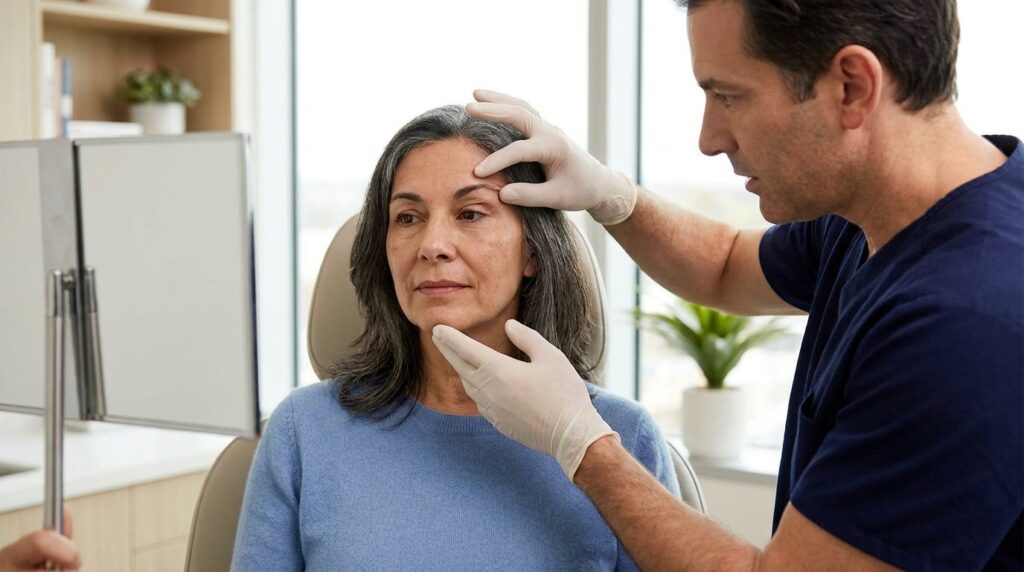
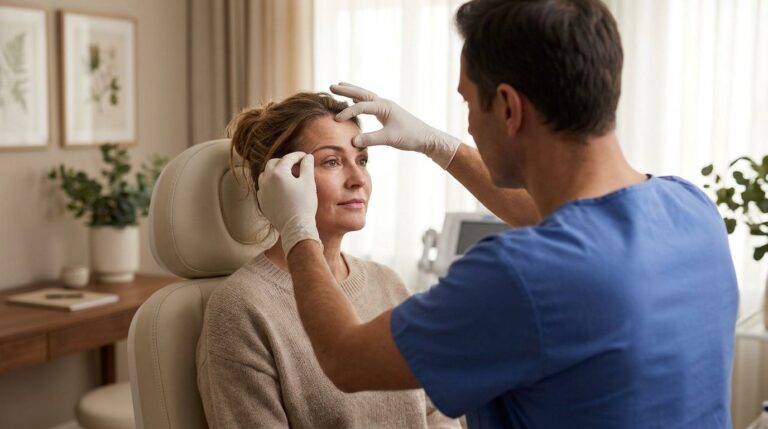
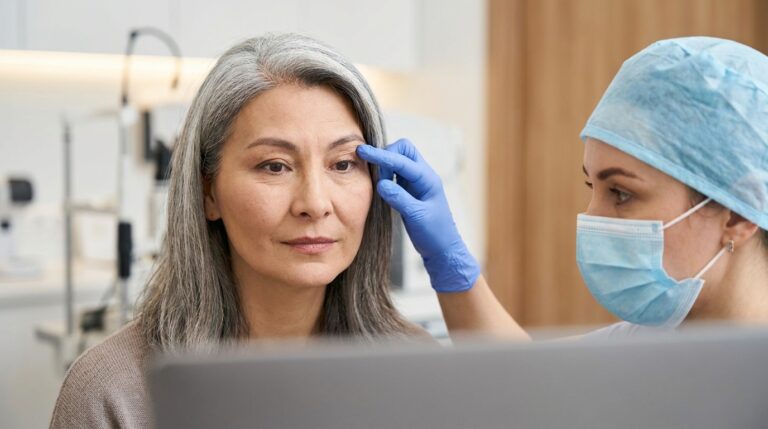
Surgeons often assess this by looking at your face at rest, during animation, and while gently lifting the brow by hand. If lifting the brow suddenly opens the upper eye area and reduces the hooding, that suggests the brow is part of the problem. If the brow already sits in a good position and the extra fold remains, the eyelid itself may be the main issue.
The NHS notes that cosmetic procedures need a clear discussion of goals, limits, and risks before surgery. In eyelid and brow surgery, that discussion should include whether the heaviness is structural, age-related, genetic, or partly caused by habitual forehead muscle overuse from trying to keep the eyes open.
If you want a deeper side-by-side explanation, our article on the difference between brow lift and upper eyelid surgery can help you understand why these two procedures are often discussed together.
📋 A common reason for under-correction When the brow is low but only the eyelid is treated, the result may look better, but still not as open or refreshed as the patient expected.
Your brow position is stable and the main issue is loose upper lid skin or puffiness sitting directly on the lash line.
You have upper lid hooding plus a low brow, especially if the outer brow has descended and lifting it changes the whole eye area.
When does combining a brow lift with upper eyelid surgery make sense?
Combining the two makes sense when each procedure is treating a separate part of the same problem. That usually means the brow has dropped enough to add weight to the upper lids, and there is also true excess eyelid skin. In that situation, addressing both in one operation can create a more balanced result than doing only one.
This can be especially relevant if the heaviness is strongest at the outer part of the eye. A lateral brow descent, where the tail of the brow sits low, often creates side hooding that patients describe as looking tired, angry, or “squashed” at the corners. An upper blepharoplasty can improve this, but it does not lift the brow itself.
It may also be worth combining them if you are already considering facial rejuvenation surgery and want one recovery period instead of two. That said, “more done at once” is not automatically better. The right combined plan depends on tissue quality, eye shape, brow asymmetry, forehead height, hairline, and whether your goals are mostly functional, mostly aesthetic, or a mix of both.
One of the practical benefits of combining surgery is planning. You go through one anaesthetic plan, one main healing period, and one trip if you are travelling. But the trade-off is that recovery can feel a little more involved than upper eyelid surgery alone, especially in the first week.
If you are already weighing combination surgery in general, our article on combined surgery in Turkey explains how clinics usually assess safety, recovery load, and logistics.
- ✓Your brow sits low, especially at the outer edge
- ✓You lift your forehead often to keep your eyes feeling open
- ✓There is true extra upper eyelid skin as well as brow descent
- ✓Your goal is a more open eye area, not just less skin on the lid
When is it better not to combine them?
It may be better not to combine them when the brow position is already appropriate and the issue is mainly excess upper lid skin. In that case, adding a brow lift can create an over-elevated look or change your expression more than you wanted.
It may also be better to stage surgery if the diagnosis is not fully clear, if you have dry eye symptoms, significant asymmetry, a history of forehead or eyelid surgery, or a medical issue that makes a shorter operation preferable. The Mayo Clinic and NHS both emphasise that eye-area surgery needs careful pre-operative assessment because the eyelids protect the eye surface, not just appearance.
Some patients also simply do not want the trade-off that comes with a brow lift. Even less invasive brow lift techniques can add forehead tightness, a different scar pattern depending on technique, and a slightly longer social recovery. If your goal is modest improvement with the lightest recovery possible, upper eyelid surgery alone may be the more sensible choice.
A surgeon should also be honest if your concern is not mainly surgical. In some people, volume loss, skin quality, or lower eyelid hollowing contributes more to a tired look than brow descent. In those cases, combining procedures is not always the best answer.
⚠️ More surgery should mean more benefit Do not add a brow lift just because it can be done at the same time. It should solve a real anatomical problem, not simply make a package sound more complete.
What changes in recovery if you combine a brow lift with upper blepharoplasty?
Upper eyelid surgery alone usually has a fairly focused recovery. You can expect swelling, tightness, bruising, and temporary changes in how the crease looks while tissues settle. Adding a brow lift usually shifts some of that recovery upward into the forehead and temples. Patients often notice more tightness, a heavier feeling in the upper face at first, and sometimes numbness or altered sensation around the scalp depending on the technique.
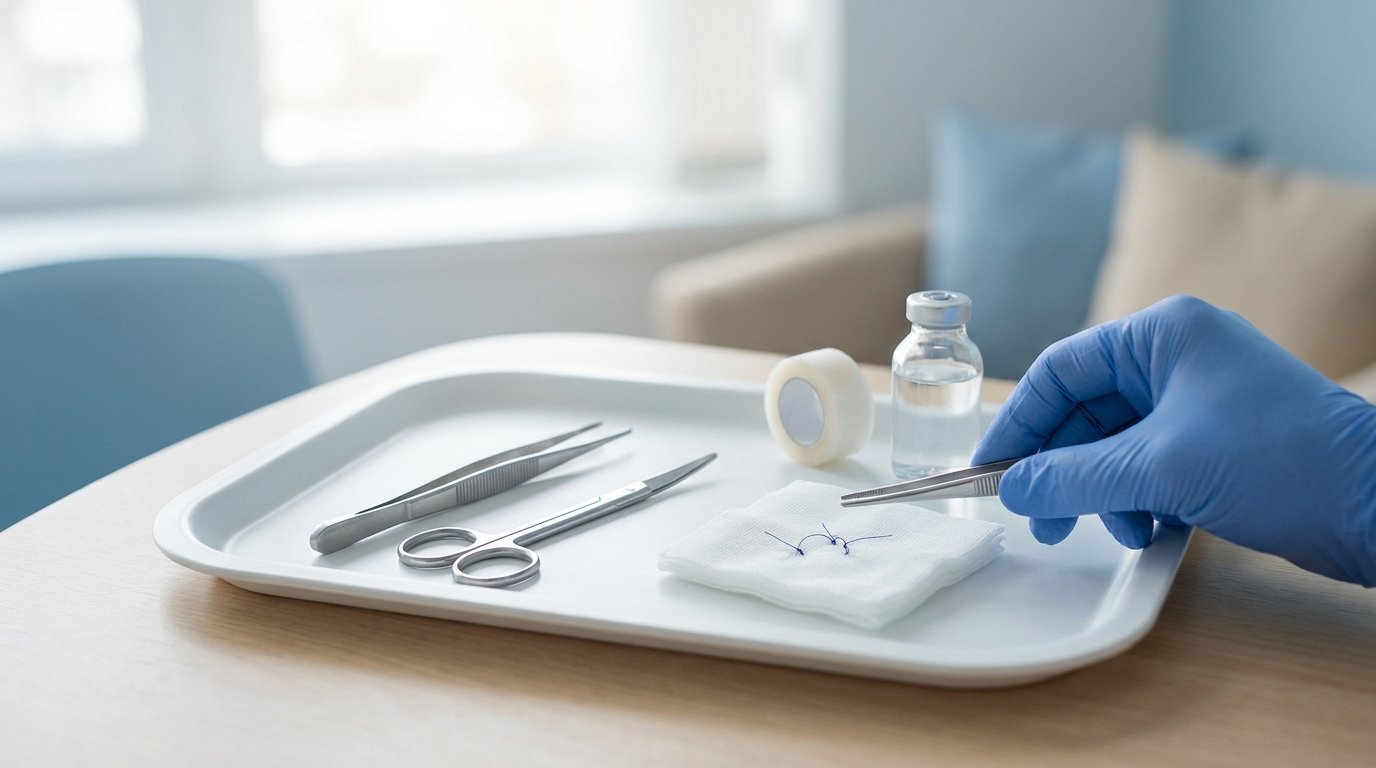
The first week is usually about swelling control, rest, cold compresses if advised, and keeping the head elevated. Social downtime varies by person, but combining procedures often means bruising is more noticeable and lasts a bit longer than with eyelid surgery alone. Stitches or clips, if used, are removed according to the surgeon’s protocol.
Most people feel presentable before they feel fully settled. That distinction matters if you are travelling for surgery. You may be comfortable enough for light daily activity relatively early, but subtle asymmetry, residual swelling, and forehead tightness can take longer to soften. Final refinement is not judged in the first couple of weeks.
If your main concern is the upper lid itself, it is useful to read a broader guide to blepharoplasty in Turkey alongside your consultation advice, so you know which parts of recovery are standard and which are specific to adding a brow procedure.
What should international patients ask before deciding?
If you are travelling for surgery, the decision should not be made from one front-facing selfie. Ask for a full consultation that assesses brow position, eyelid skin, asymmetry, dry eye history, vision symptoms, and your resting facial expression. If a clinic recommends both procedures, ask exactly what each part is meant to correct.
A good quote should explain what is included rather than just naming the procedures. For example, patients often want to know whether consultation, hospital fees, anaesthesia, medication, follow-up, transfers, accommodation, and revision policy are clearly set out. This matters because satisfaction is often shaped as much by communication and organisation as by the surgery itself. Our article on what an all-inclusive surgery package in Turkey usually includes can help you compare offers more carefully.
For surgeon choice, look for appropriate specialist training, a clear explanation of brow lift technique, experience in eyelid and upper-face surgery, and straightforward consent discussions. EBOPRAS is one recognised European board in plastic surgery, and organisations such as BAAPS and ASPS offer patient education about cosmetic procedure planning and safety. The important point is not a logo on its own, but whether the surgeon explains your anatomy, alternatives, and likely trade-offs clearly.
You should also ask how long to stay. For combined upper-face surgery, patients are often advised to remain long enough for early checks and initial wound review rather than flying out immediately. The exact timeline depends on the surgical plan, how you are healing, and whether drains, clips, or specific dressing care are involved.
Finally, ask the most useful practical question of all: if I do only the upper eyelids now, what part of my concern will remain untreated? The answer often makes the right decision much clearer.
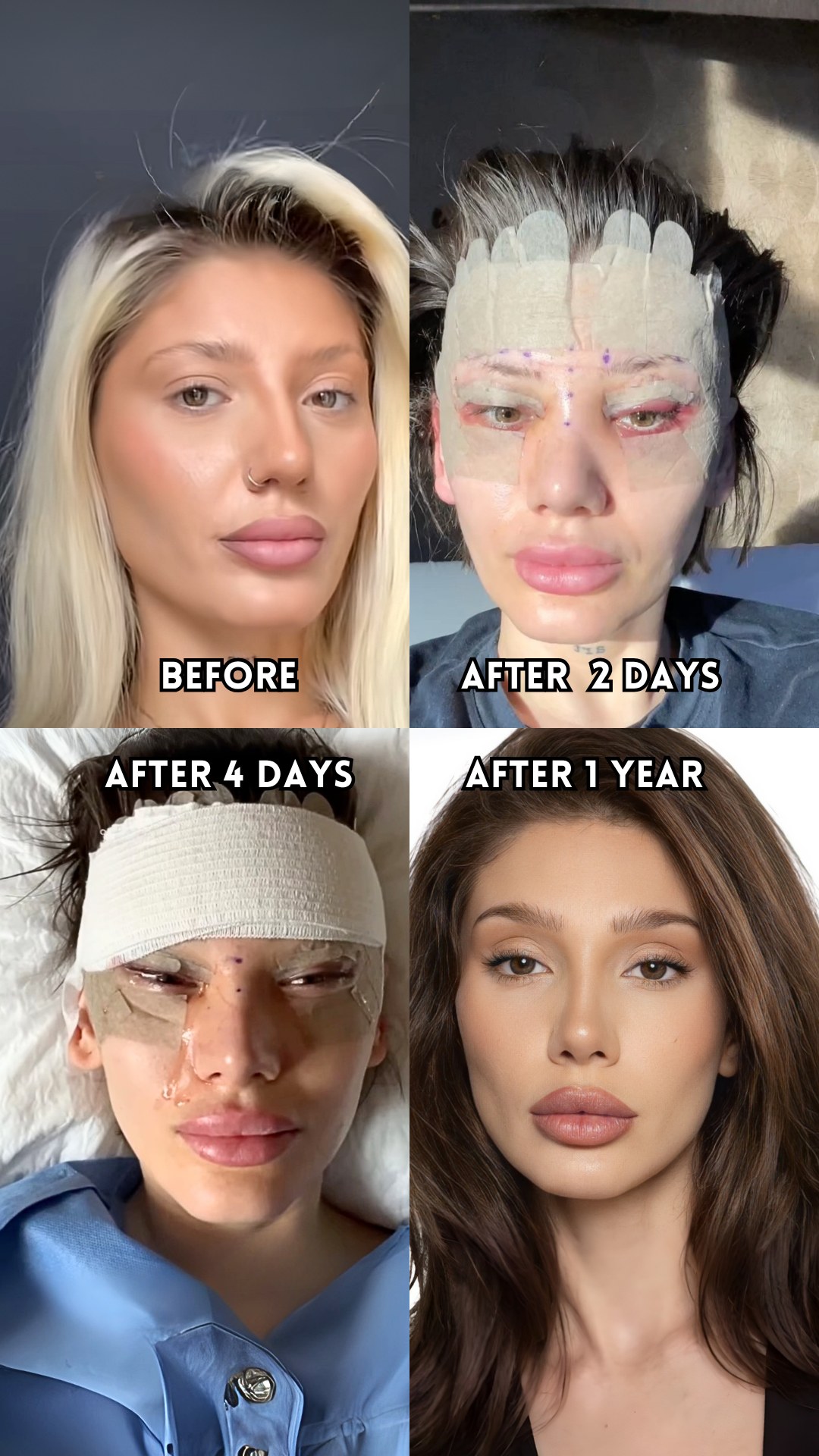
The surgeon shows you how brow position changes the eyelid hooding and explains why one procedure, or both, would match your anatomy.
You are advised to add a brow lift without a clear exam, a clear reason, or a clear explanation of how it changes recovery and scars.
How does combining the procedures affect cost and planning?
Cost should be looked at in terms of what is being added, not just whether the final quote is higher. Combining a brow lift with upper eyelid surgery may change the surgeon’s fee, anaesthesia plan, operating time, facility charges, follow-up needs, and sometimes the length of stay recommended after surgery.
The cheapest-looking quote is not always the most economical once you factor in revision policy, hotel standard, interpreter support, aftercare access, and whether post-op reviews are actually included. For international patients, planning is part of the real cost of treatment, even when it does not appear as a single line item.
A personalised price is normally confirmed after consultation and photo review, and then refined once the surgical plan is final. If two clinics give very different recommendations, it is worth asking whether they disagree about your anatomy or whether they simply favour different techniques.
Frequently Asked Questions
References
- 📎ASPS Cosmetic Procedures
- 📎NHS Cosmetic Procedures
- 📎Mayo Clinic Procedures and Tests
- 📎PubMed search: brow lift blepharoplasty upper eyelid assessment
Related Articles

You Might Also Like



Related articles

Our specialists
 Clineca SpecialistErkan PinegözPlastic & Reconstructive Surgery
 Clineca SpecialistHakan AktaşPlastic & Reconstructive Surgery
 Clineca SpecialistOrkun UzuneyüpoğluPlastic & Reconstructive Surgery
 Clineca SpecialistSalim İskenderPlastic & Reconstructive Surgery
 Clineca SpecialistEngin SelamioğluPlastic & Reconstructive Surgery
 Clineca SpecialistCem AydınPlastic & Reconstructive Surgery
 Clineca SpecialistAlperen ÖnalEar, Nose & Throat (ENT)