
Have a question about Rhinoplasty?
In this article
- The short timeline most patients actually need
- What does rhinoplasty recovery look like week by week?
- What makes recovery faster or slower?
- When can you fly, exercise and go back to normal life?
- Which symptoms are normal, and which are warning signs?
- How should you plan your stay, quote and follow-up if you are travelling for rhinoplasty?
If you are trying to work out how long does recovery take after rhinoplasty, the hard part is that different kinds of “recovered” happen at different times. You may look presentable quite early, but your nose can still be healing quietly for months, which matters when you are planning work, travel and expectations for the final result.
The short timeline most patients actually need
For most people, the early recovery period is about 1 to 2 weeks. That usually means the cast or splint comes off around the first week, bruising starts to fade, and many people feel ready to be seen in public soon after. It does not mean the nose is fully healed.
The next phase is slower. Swelling settles over months, not days, and the last part to refine is often the tip. Final definition can take up to a year, and sometimes longer in thicker skin or revision cases. This general pattern is consistent with standard rhinoplasty guidance from the NHS and ASPS, and with what surgeons discuss in facial plastic surgery literature.
A few details can shift the timeline: open versus closed rhinoplasty, whether septoplasty or breathing work was done at the same time, whether it is a revision procedure, and how thick the skin is. Those factors do not always change the first week dramatically, but they often change how long the nose stays firm, puffy or uneven-looking.
One detail worth raising before surgery is swelling. Fewer than two in a hundred of the people who contact us about their nose ask about swelling before surgery, yet it is the recovery issue that worries them most afterwards. The practical takeaway is simple: ask your surgeon about your swelling pattern during the consultation, not after the cast comes off.
📋 Recovery has stages Social recovery, comfort, breathing and final definition do not all return at the same speed after rhinoplasty.
Plan for 1 to 2 weeks before you feel through the first phase, several months before swelling settles well, and up to a year for the final shape to show itself.
What does rhinoplasty recovery look like week by week?
The first few days are usually the most awkward rather than the most painful. Expect congestion, pressure, mouth breathing at night, and some oozing from the nostrils if your surgeon has said that is normal for you. Keeping your head elevated helps, which is why many patients look up guides on how to sleep elevated after rhinoplasty.
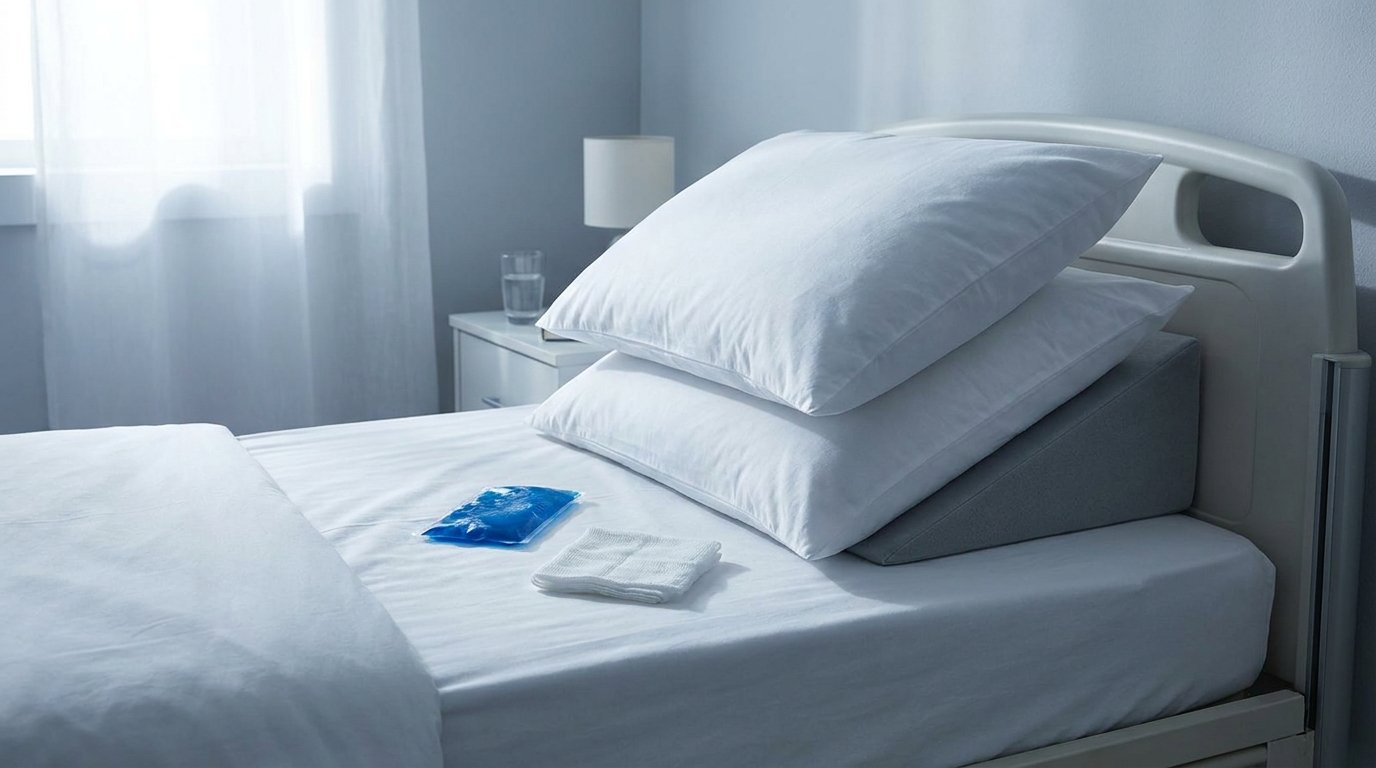
By the end of week 1, the splint is often removed. This is the point when many patients expect to look “done”, but the nose usually looks swollen, especially across the bridge and tip. If osteotomies were performed, meaning the nasal bones were carefully repositioned, bruising around the eyes can still be visible.
During week 2, bruising often improves a lot and you may feel more like yourself socially. Even so, the nose is still easy to bump, facial expressions can feel stiff, and breathing may not be fully clear yet. If breathing is your main concern, it helps to read about when you will breathe normally after rhinoplasty because swelling inside the nose usually lasts longer than patients expect.
From weeks 3 to 6, most people are back into a more normal routine, but the nose can look different morning to evening. That fluctuation is common. A small amount of asymmetry, firmness at the tip or puffiness after salty food, heat or exercise is not unusual in this phase.
At around 2 to 3 months, a lot of the obvious swelling has gone down, and photos usually start to look more like the new nose rather than a post-op nose. The tip, however, is often still the slowest area. If you want a fuller discussion of the later stage, our article on when you will see the final result after rhinoplasty explains why patience matters so much here.
By 6 to 12 months, definition is usually much clearer. Open rhinoplasty, thick skin, revision surgery and combined septoplasty can all push that longer. A nose can be stable well before it is fully refined, which is why surgeons often ask patients not to judge the result too early.
What makes recovery faster or slower?
Not every rhinoplasty heals on the same clock. A closed rhinoplasty, where incisions stay inside the nose, may lead to less visible swelling early on in some patients, while an open rhinoplasty can involve more tip swelling because the skin has been lifted for access. That does not mean one technique is automatically better for recovery; it means the technique is chosen for what needs to be corrected. If you are comparing the two, our piece on open or closed rhinoplasty explains the trade-offs more clearly.
Revision rhinoplasty almost always needs more patience. Scar tissue from prior surgery can make dissection and swelling more complex, and surgeons often ask revision patients to expect a longer road to the final shape. Thick skin also slows visible definition, particularly at the tip, because the skin envelope takes longer to shrink and settle over the new framework.
Breathing procedures can add their own recovery features. If rhinoplasty is done with septoplasty or turbinate reduction, you may have more internal swelling, crusting or congestion even if the outside looks acceptable early on. The outside and the inside do not heal at exactly the same pace.
Your personal healing habits matter too. Smoking or nicotine exposure, poor sleep, repeated bending, accidental bumps, heavy exercise too soon and skipping aftercare instructions can all make recovery rougher. The Mayo Clinic and NHS both emphasise following procedure-specific aftercare, and surgeons do so for good reason: many delayed recoveries are not dramatic complications, but they are still preventable setbacks.
Primary surgery, thinner skin, no major bone work, and careful aftercare often make the first few weeks look easier.
Revision cases, thick skin, combined breathing surgery, or going back to exercise too early often stretch out swelling and congestion.
When can you fly, exercise and go back to normal life?
For desk work or remote work, many patients aim for around 1 to 2 weeks off. If your job is public-facing, physically demanding or carries a real risk of bumping the nose, you may need longer. “Back to work” is really about swelling, energy level and safety, not just pain.
Flying is a common concern for international patients because travel plans are fixed before surgery, while healing is not. Most surgeons want you to stay long enough for early checks, splint removal and the first stage of monitoring. That is one reason patients planning surgery abroad often read through rhinoplasty travel plans, stay length, hotel and transfers. The exact day you can fly depends on your surgeon’s protocol, whether internal splints were used, and how your first review goes.
Exercise returns in stages. Light walking usually starts early because it helps circulation, but heavy lifting, running, gym sessions, yoga positions that increase pressure, swimming and contact sports are usually delayed until your surgeon says the nose is stable enough. The NHS guidance on cosmetic procedures stresses following the advice given by your treating team, and facial surgery literature consistently treats impact risk as a real reason to delay sport. If exercise timing is your next question, see when you can exercise again after rhinoplasty.

“Normal life” comes back in layers. You may feel socially fine before you feel clear-breathing, and you may feel clear-breathing before the tip looks refined. That mismatch is normal and often the part patients find most frustrating.
Which symptoms are normal, and which are warning signs?
Common early symptoms include swelling, bruising, blocked breathing, tenderness, upper lip stiffness, numbness around the tip, and a nose that looks uneven from one side to the other. These can all be part of ordinary healing. The ASPS notes that swelling and bruising are expected after facial cosmetic surgery, and peer-reviewed rhinoplasty literature repeatedly shows that the final result should not be judged in the first weeks.
What deserves a call to your surgeon is different. Worsening pain rather than steady improvement, heavy bleeding, a fever, redness that spreads, foul-smelling discharge, sudden one-sided swelling, or skin that looks pale or dusky should not be brushed off. The NHS advice on recovering from cosmetic procedures is clear on a basic point that matters here too: if something is getting worse instead of better, you need review.
Breathing deserves nuance. Feeling blocked early on is common because of internal swelling, dried blood and crusting. But severe shortness of breath, chest pain, or calf swelling is an emergency issue rather than a nose issue and needs urgent medical attention.
If you are the kind of patient who worries about “bothering” the clinic, do not wait for a dramatic red flag. A good team would rather answer an ordinary recovery question early than try to solve a bigger problem later.
⚠️ Contact your surgeon promptly Get advice if pain, redness, swelling or discharge is worsening rather than gradually settling, or if bleeding seems heavier than you were told to expect.
🚨 Seek urgent medical care Chest pain, severe shortness of breath, fainting, or leg swelling are urgent symptoms and should not be treated as routine rhinoplasty recovery.
How should you plan your stay, quote and follow-up if you are travelling for rhinoplasty?
For health-tourism patients, recovery timing is not just a comfort issue. It affects how long you should stay, when your first review happens, and whether your quote includes the practical support you actually need. A good quotation should make clear what is included around surgery, such as consultation, hospital costs, anaesthesia, hotel arrangements, transfers and follow-up structure, rather than simply naming a procedure. If you want a clearer breakdown of how quotes are usually built, read what affects a rhinoplasty cost, quote and stay.
Keep cost thinking qualitative. The final fee depends on the complexity of the nose, whether this is a first or revision surgery, whether breathing work is added, the surgeon’s experience, facility standards and how much support is wrapped into the travel plan. A personalised price is confirmed after consultation because the operative plan drives the quote, not the other way around.
Clinic choice matters just as much as timing. Look for a surgeon whose training and scope fit nasal surgery, a hospital or clinic with clear accreditation, and a follow-up system that does not go silent once you leave Turkey. Bodies such as EBOPRAS help patients understand surgeon credentials in Europe, while the NHS guidance on cosmetic procedures gives a useful common-sense framework for checking who will operate, where it will happen, and what aftercare is in place.
Combined procedures need extra honesty here. About 14% of the rhinoplasty patients we see go on to book at least one other procedure, most often breast surgery or upper eyelid surgery. For you, that means the recovery plan and stay length should be built around the slower or more restrictive procedure, not the nose alone.
- ✓Ask who will perform the operation and where it will take place.
- ✓Check whether your surgeon’s credentials are easy to verify.
- ✓Make sure follow-up is described clearly, not vaguely promised.
- ✓Confirm what happens if you need review after returning home.
Frequently Asked Questions
References
- 📎NHS: Cosmetic procedures
- 📎ASPS: Cosmetic procedures
- 📎PubMed: rhinoplasty recovery swelling exercise complications
- 📎EBOPRAS
Related Articles
You Might Also Like

Related articles



Our specialists
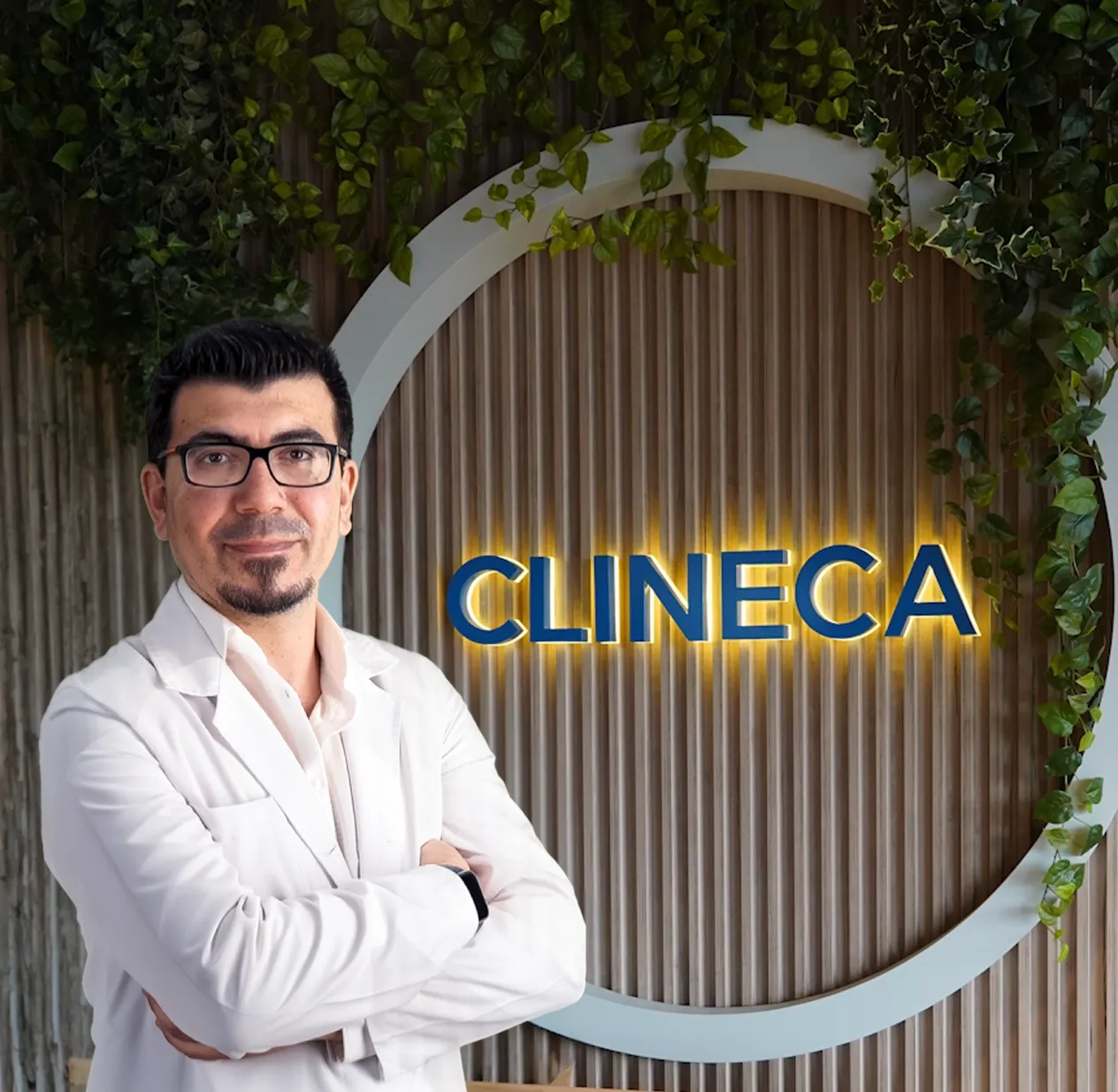 Clineca SpecialistErkan PinegözPlastic & Reconstructive Surgery
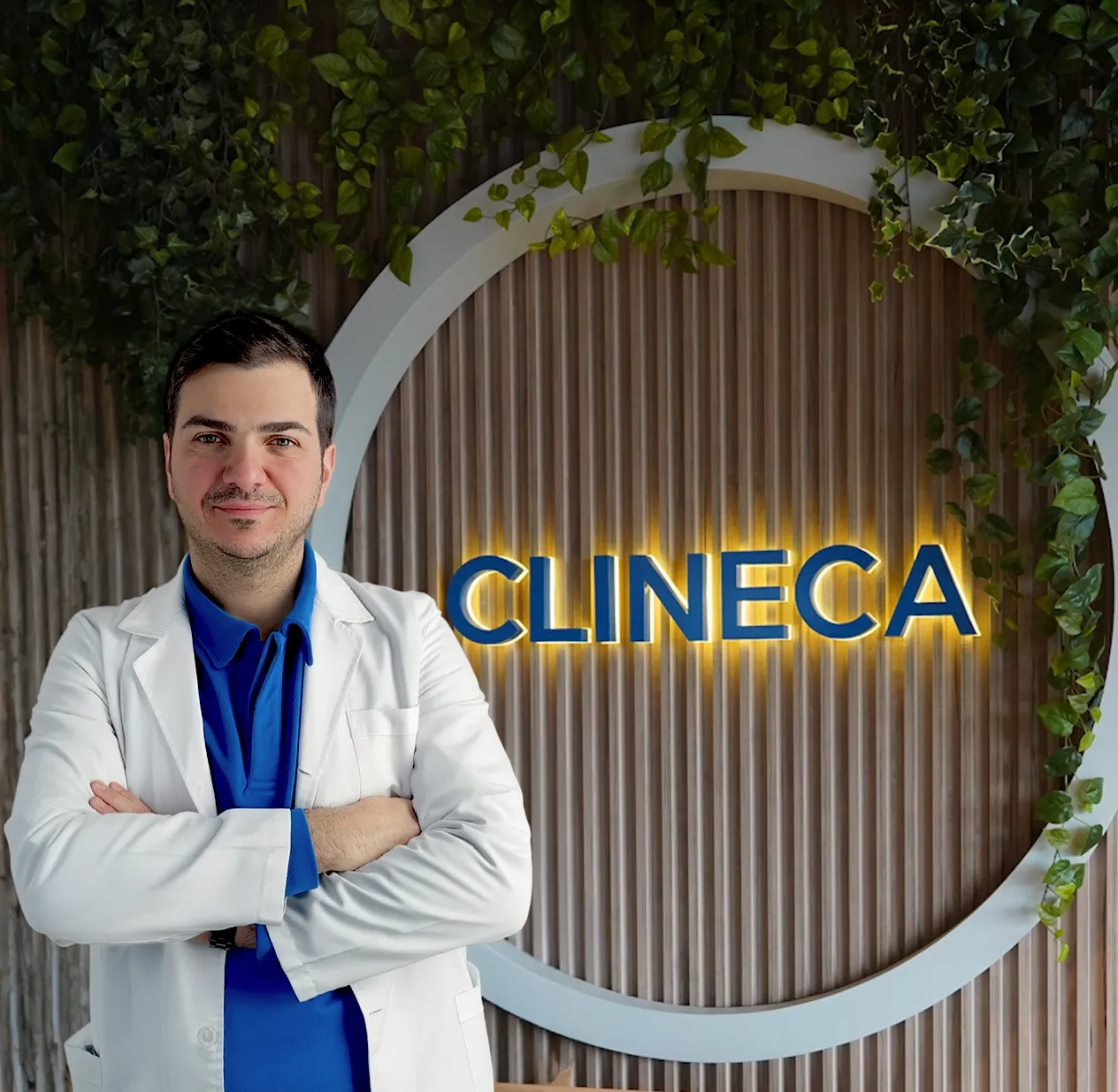 Clineca SpecialistHakan AktaşPlastic & Reconstructive Surgery
 Clineca SpecialistOrkun UzuneyüpoğluPlastic & Reconstructive Surgery
 Clineca SpecialistSalim İskenderPlastic & Reconstructive Surgery
 Clineca SpecialistEngin SelamioğluPlastic & Reconstructive Surgery
 Clineca SpecialistCem AydınPlastic & Reconstructive Surgery
 Clineca SpecialistAlperen ÖnalEar, Nose & Throat (ENT)