
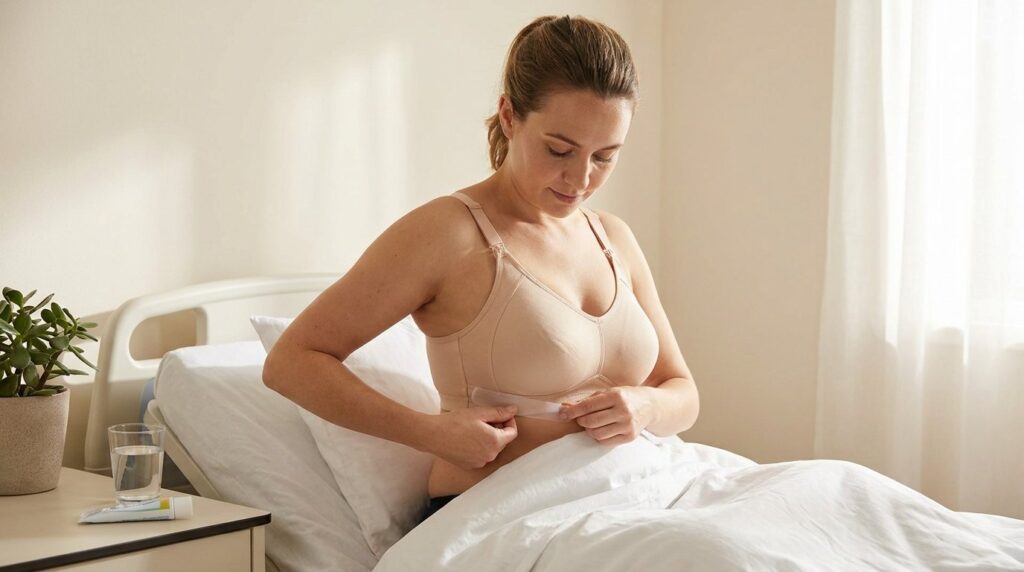
Have a question about Breast Augmentation?
In this article
- Where are breast augmentation scars usually placed?
- What do breast augmentation scars look like as they heal?
- Can breast augmentation scars be minimised?
- When should you worry about a breast augmentation scar?
- How long should you stay in Turkey and what does scar care involve during travel?
- What affects the overall cost and should you combine surgery?
If you are researching breast augmentation scars turkey is often part of the question because the journey is not only about implant size or shape. Scar location, how it matures, and how practical recovery feels when you are travelling all affect whether you feel comfortable with the decision.
Where are breast augmentation scars usually placed?
Breast augmentation scars depend mainly on the incision used to place the implant. The scar is not created by the implant itself; it comes from the skin opening your surgeon uses to make a safe pocket and insert the implant in a controlled way.
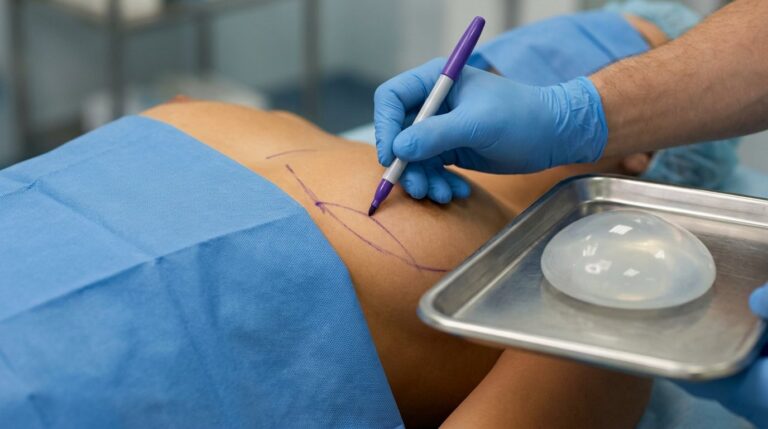
The most common option is the inframammary incision, which sits in the breast fold. In real life, this is often chosen because it gives direct access and good visibility during surgery, and the scar usually hides under the natural crease of the breast or under a bra line. When patients say they want the “least visible” scar, this is often the starting point of the discussion rather than an automatic answer for everyone.
Another option is the periareolar incision, which follows part of the edge of the areola, the darker skin around the nipple. This can blend with the colour change at the areola border, but it is not ideal for every patient. If your areola is very small, or if implant choice and pocket control make another route safer, your surgeon may advise against it.
A third route is the transaxillary incision in the armpit. This moves the scar away from the breast itself. A 2013 case review in Plastic and Reconstructive Surgery described transaxillary subfascial breast augmentation and noted the use of the armpit route for patients seeking a scar away from the breast mound, but it was a small series and not proof that this is best for all patients. In practice, the trade-off is simple: no breast-fold scar, but a scar in the underarm and a technique that is not suitable for every anatomy or implant plan.
If you are also weighing shape and lift issues, it helps to understand that augmentation scars are different from mastopexy scars. A breast lift can add scars around the areola and sometimes vertically down the breast or along the fold. If that applies to you, our article on breast lift vs implants explains what each operation is meant to correct.
A scar that sounds appealing on paper is not always the best surgical route for your breast shape, skin quality, implant choice, or revision risk.
If your main issue is sagging rather than volume loss, adding a lift may improve shape more than implants alone, but it usually means more visible scars.
What do breast augmentation scars look like as they heal?
Fresh scars rarely look the way they will look at six months or a year. In the early stage they are often pink, firm, and slightly raised. That alone does not mean they are healing badly. It means they are still active scars.
During the first few weeks, the area can feel tight and look more obvious than many patients expect. That is especially true when the breast is swollen and the fold is still settling. If you are travelling for surgery, this matters because the scar you see before flying home is not a useful guide to the final appearance.
Most scars then go through a slower maturation phase. They usually soften, flatten, and fade over months rather than days. The NHS notes that scars from cosmetic procedures are permanent, although they usually become less noticeable over time. That is the most realistic way to think about breast augmentation scars as well: permanent lines that generally improve, not marks that disappear.
Your skin tone also affects how scars behave. Some patients are more prone to darker pigment, prolonged redness, or thicker scars. That tendency matters more than the country where you have surgery. Turkey does not create a different type of scar; the important factors are incision choice, surgical handling of the tissue, tension on the wound, aftercare, and your own healing pattern.
If you want a wider recovery picture beyond scars alone, our article on breast augmentation healing week by week can help you line up scar changes with swelling, activity limits, and day-to-day milestones.
📋 A scar can look worse before it looks better A line that seems red or raised in the early months can still settle well. Judging too early causes a lot of unnecessary stress.
Can breast augmentation scars be minimised?
They can often be improved, but not erased. That distinction matters because clinics sometimes talk about scarring too casually. A careful surgeon can help minimise scar visibility through good incision planning, gentle tissue handling, and precise closure, but every incision leaves a permanent scar.
After surgery, scar care usually starts with simple wound protection. That means keeping the incision clean and dry as instructed, avoiding friction, and not starting oils, creams, or silicone products until your surgeon says the wound is fully closed. Starting scar treatments too early can irritate the area rather than help it.
Once the incision has sealed, many surgeons recommend silicone gel or silicone sheets. Scar massage may also be suggested later on, depending on how the incision is healing. The goal is not instant fading. It is to support flatter, softer scar maturation over time.
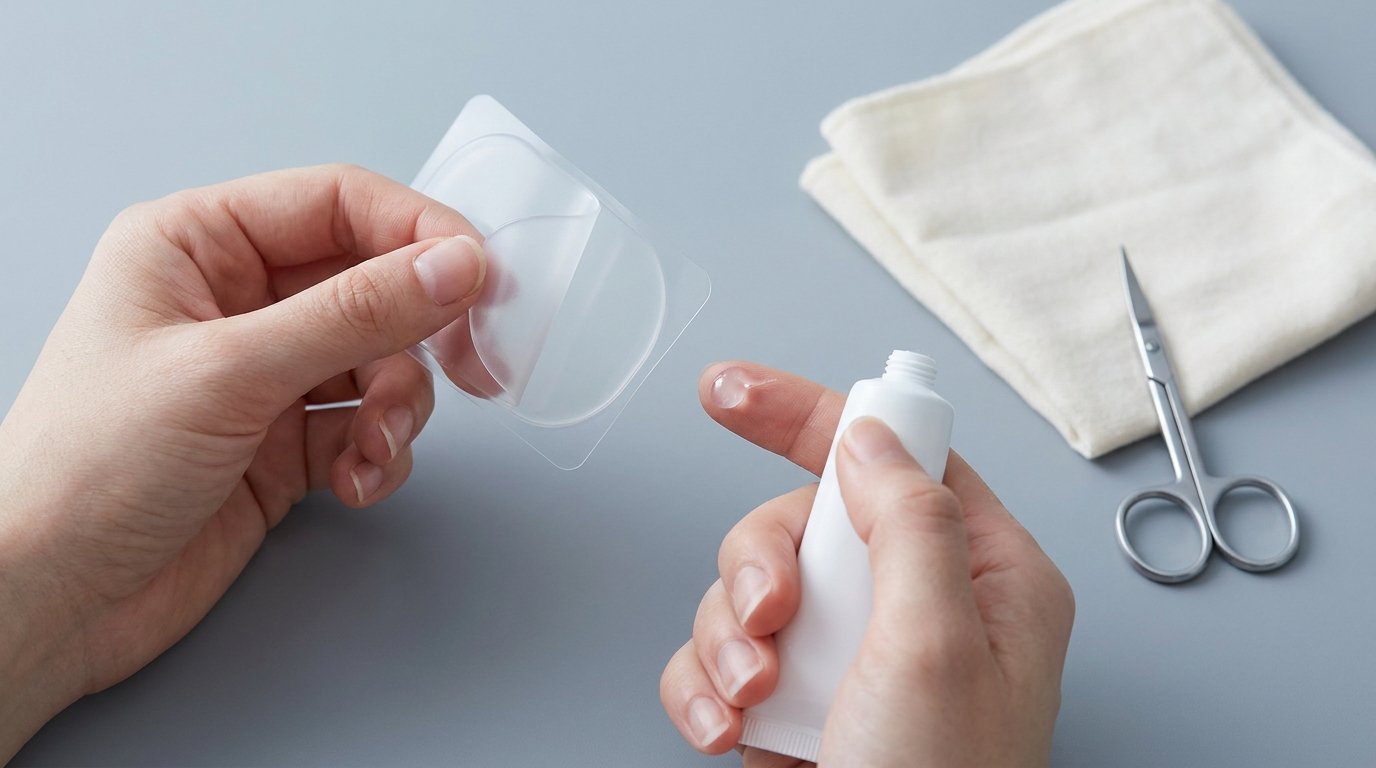
Sun exposure is one of the most overlooked issues for patients who combine surgery with travel. New scars can darken if exposed to strong sun. If your trip includes sightseeing, beachwear, or open clothing soon after surgery, you will need to be more careful than you might think.
There is also a limit to what aftercare can do. If you naturally form raised or thick scars, good scar care helps, but it may not fully prevent that tendency. A surgeon should ask about any history of hypertrophic or keloid scarring before planning surgery.
- ✓Follow the wound-care instructions exactly in the first stage
- ✓Use silicone products only when the incision is fully closed and your surgeon approves
- ✓Protect healing scars from sun exposure
- ✓Avoid judging the final appearance too early
When should you worry about a breast augmentation scar?
Some redness, firmness, and sensitivity are expected early on. What matters is whether the scar is following a steady healing pattern or moving in the wrong direction.
You should contact your surgical team if the incision becomes increasingly red, hot, swollen, or starts leaking fluid, especially if the change is getting worse rather than better. Fever, a bad smell, wound separation, or one breast becoming suddenly more painful should also be taken seriously. These are not “normal scar issues” to watch casually from your hotel room.
A thick or itchy scar is not always dangerous, but it may need review if it keeps becoming more raised over time. That can point to a hypertrophic scar, meaning an overactive raised scar that stays within the wound line. A true keloid grows beyond the original wound edges and is less common, but patients with a personal or family tendency should mention that before surgery.
If your concern is deeper breast firmness rather than the skin scar itself, it may not be a scar problem at all. It could relate to implant settling or, later on, capsular contracture, which is tightening of the scar tissue around the implant. Our article on signs of capsular contracture explains how that feels and why it is different from a surface incision scar.
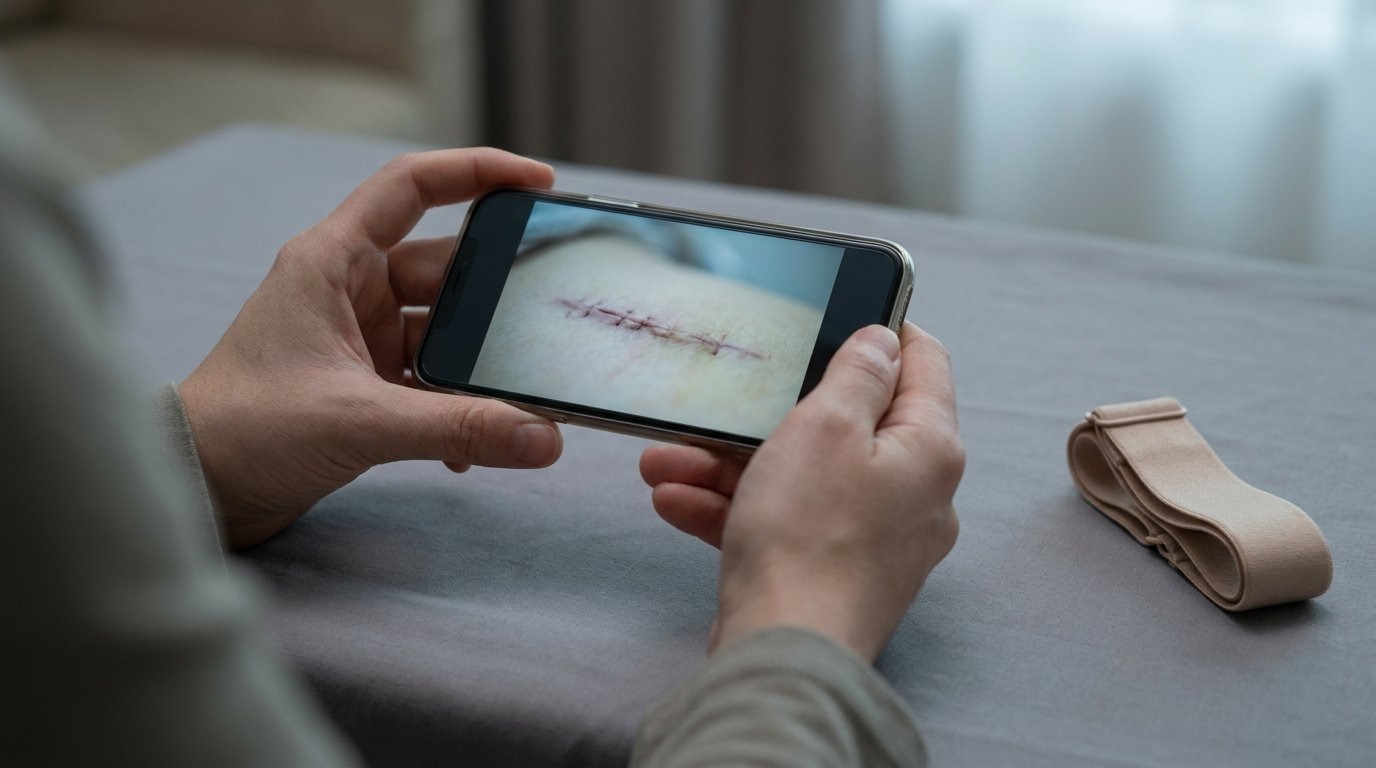
⚠️ Do not self-diagnose an infected wound A photo message can help your team advise you quickly, but worsening heat, spreading redness, discharge, or wound opening needs prompt professional review.
How long should you stay in Turkey and what does scar care involve during travel?
For international patients, scar questions are partly travel questions. You need enough time in Turkey for the first checks, dressing review, and early monitoring before you fly home. The exact stay depends on the surgeon’s protocol, whether drains are used, and whether you are having augmentation alone or combined surgery.
In practical terms, you should expect the first days to revolve around rest, follow-up visits, supportive bras, and moving carefully rather than sightseeing. Scar care at this point is usually about protection, not active treatment. Most patients are not doing “scar fading” steps straight away because the wound is still fresh.
Before you travel, ask who answers messages after you leave, how often you should send wound photos, what language support is available, and what happens if you need in-person care back home. Communication speed and organisation shape the experience more than many patients expect, especially once the anaesthetic is over and you are dealing with normal post-op worries.
If you are still planning the trip itself, our article on how long to stay in Turkey for breast surgery goes into the travel timing in more detail.
What affects the overall cost and should you combine surgery?
Cost matters, but with breast augmentation it helps to think in terms of what you are paying for rather than chasing the shortest quote. The total figure is shaped by the surgeon’s experience, hospital standards, implant brand, whether imaging or extra tests are needed, the length of stay, aftercare, garments, medications, and whether revision cover or follow-up support is included. A personalised price should only be confirmed after consultation because scar placement, implant choice, and whether you also need a lift all affect the plan.
If you are comparing offers, ask for clarity on what the quote actually covers. Patients are often frustrated not by the headline price itself, but by weak communication, vague inclusions, or poor organisation around transfers and follow-up. Our article on what an all-inclusive surgery package in Turkey includes is useful if you want to compare offers on practical terms rather than marketing language.
Combining procedures can make sense, but it changes recovery and sometimes the scar pattern. Breast augmentation is commonly paired with a breast lift when volume loss and sagging happen together. It is also sometimes combined with rhinoplasty or liposuction for patients already planning a longer surgery trip. If a lift is added, the breast scars are usually more extensive than augmentation alone, and that should be discussed very plainly upfront.
From a safety point of view, the right question is not whether combining surgery is “good” or “bad”. It is whether the total operating time, your health, and the recovery demands still make sense together. The ASPS advises that cosmetic surgery should be tailored to the individual, and that principle matters even more when more than one operation is planned.
When choosing a surgeon in Turkey, look for board-level training and hospital accreditation rather than promises about invisible scars. For plastic surgery credentials in Europe, EBOPRAS is one recognised board reference patients may check alongside the surgeon’s local qualifications and the hospital’s standards. Clear consent, honest scar discussions, and a practical aftercare plan are better signs than sales language.
This article is for informational purposes only and does not constitute medical advice. Always consult a qualified surgeon for personalised guidance.
Breast augmentation is not scarless surgery. A trustworthy consultation explains where the scar will sit and what trade-offs come with each incision.
A strong plan includes named follow-up steps, wound guidance, and a clear route for contact after you return home.
Frequently Asked Questions
References
- 📎Cosmetic Procedures — American Society of Plastic Surgeons
- 📎Cosmetic procedures — NHS
- 📎Transaxillary totally subfascial breast augmentation with anatomical breast implants: review of 27 cases — Plastic and Reconstructive Surgery, 2013
- 📎Round Autoprosthesis: Use of Adipodermaglandular Flap in T Scar Mastopexy — Aesthetic Plastic Surgery, 2024
Related Articles



You Might Also Like


Related articles
Our specialists
 Clineca SpecialistErkan PinegözPlastic & Reconstructive Surgery
 Clineca SpecialistHakan AktaşPlastic & Reconstructive Surgery
 Clineca SpecialistOrkun UzuneyüpoğluPlastic & Reconstructive Surgery
 Clineca SpecialistSalim İskenderPlastic & Reconstructive Surgery
 Clineca SpecialistEngin SelamioğluPlastic & Reconstructive Surgery
 Clineca SpecialistCem AydınPlastic & Reconstructive Surgery
 Clineca SpecialistAlperen ÖnalEar, Nose & Throat (ENT)