

Have a question about Cheek Augmentation?
In this article
- How long does cheek augmentation swelling usually last?
- When do cheek augmentation results start to look natural?
- What is the week-by-week swelling timeline?
- What can make swelling last longer or look worse?
- When should swelling worry you instead of reassuring you?
- If you are travelling for surgery, how long should you stay before flying home?
Cheek augmentation swelling—how long until final results—is one of the first questions people ask after surgery, and for good reason. The cheeks sit in the middle of the face, so even normal swelling can make the result look stronger, higher or less even before everything settles.
How long does cheek augmentation swelling usually last?
The honest answer depends on how the cheeks were augmented. Swelling after cheek implants and swelling after fat transfer can look similar in the first days, but the longer timeline is different.
In most patients, the biggest swelling happens in the first several days. By the end of the second week, the face usually looks much more social again, although still not final. Many people feel comfortable going out at this point, but they can still see puffiness, especially in morning light or on photos.
For cheek implants, the outline often looks presentable after a few weeks, then continues to soften over the next couple of months. Final definition usually takes longer than patients expect because the midface holds fluid and the soft tissues need time to relax over the implant.
For fat transfer to the cheeks, the timeline is less tidy. Early swelling goes down, but at the same time some of the transferred fat does not survive and is gradually reabsorbed. That means the cheeks can look fuller at first, then smaller, then more stable later. Aesthetic Surgery Journal and Plastic and Reconstructive Surgery have both published on fat grafting behaviour and graft retention, and this is why surgeons are careful not to judge final volume too early.
A practical rule is this: you usually see the shape direction early, but not the true final result straight away.
📋 Important timeline note These are typical patterns, not a guarantee. Your own timeline depends on technique, how much correction was done, your healing response, and whether other facial procedures were performed at the same time.
When do cheek augmentation results start to look natural?
Most people stop looking obviously swollen before they feel truly natural. Those are not the same milestone.
After cheek implants, the cheeks can look high, firm or slightly overdone early on. That does not automatically mean the implant is too large. In many cases, it reflects swelling plus the soft tissues not yet draped smoothly over the implant. As swelling falls and the tissues settle, the result usually looks less sharp and more integrated with the rest of the face.
After fat transfer, the early fullness is even harder to read. Some surgeons place a little more fat than the desired long-term volume because a portion of the graft may not survive. The result can therefore look too full at first, then reduce. This is one reason a surgeon may ask you not to judge symmetry or volume too quickly.
If you want a comparable facial timeline, our article on chin implant swelling and when it looks natural explains the same midface-versus-lower-face issue of seeing improvement before tissues are fully settled. If your procedure was based on fat rather than an implant, facial fat transfer swelling gives useful context on why fullness can change in stages.
A good mental checkpoint is this: by the first few weeks, people often look improved; by the following months, they usually look more like themselves again, just with better cheek structure.
You may look normal in public before the cheeks have reached their final softness, symmetry and volume.
With grafting, part of the change is swelling and part is true volume. Those two settle on different timelines.
What is the week-by-week swelling timeline?
In the first week, expect the cheeks to look fuller than the intended result. Swelling may seem worse in the morning. Smiling can feel tight, and one side may look more swollen than the other without this meaning anything is wrong.
In week two, bruising is usually fading and the face often starts to look more recognisable. This is when many patients feel less alarmed, but it is still common to notice unevenness, firmness, or a “not quite me yet” look.
From weeks three to six, the most obvious puffiness often settles. Implant patients usually start seeing better contour definition here. Fat-transfer patients may notice some loss of fullness during this phase as early swelling drops and fat retention declares itself.
From around two to three months, many implant results look much more believable in normal life. For fat transfer, this period is better than the first few weeks for judging the direction of the result, but it may still not be the very final answer.
Beyond three months, subtle change can continue. This is especially relevant after fat grafting to the cheeks, where the final retained volume may continue to evolve after the three-month mark. That is why touch-up decisions are usually not rushed.
If you have read our article on buccal fat removal swelling and final results, the same principle applies here: facial tissues often settle in layers, and the camera usually makes early swelling look more dramatic than it is in person.
What can make swelling last longer or look worse?
Several things can stretch the timeline. A larger implant, a bigger volume of fat transfer, or combining the cheeks with another facial procedure can all increase swelling. So can sleeping flat, heavy exercise too soon, high salt intake, and returning to travel stress before the face has settled.
Technique matters too. Implant surgery creates a pocket, so tissues need time to soften around a solid structure. Fat transfer involves many tiny grafts and depends on blood supply, so the body is healing while also deciding how much fat to keep.
Some patients also simply swell more than others. Thin skin, a history of prolonged swelling after dental work or facial treatment, and normal side-to-side healing differences can all affect how the face looks in the mirror.
The NHS guidance on cosmetic procedures stresses the importance of understanding recovery time and possible complications before surgery. In practice, that matters most when patients start comparing themselves with edited recovery photos online and assume they are behind when they are not.
- ✓Sleep with your head raised if your surgeon advises it
- ✓Use cold compresses only as directed
- ✓Avoid strenuous exercise until you are cleared
- ✓Follow the aftercare plan exactly, especially oral care if incisions were inside the mouth
When should swelling worry you instead of reassuring you?
Most swelling is expected. Still, there is a line between normal healing and a problem that needs direct assessment.
You should contact your surgical team promptly if swelling is rapidly getting worse after an initial improvement, if one cheek becomes suddenly much larger and more painful, or if you develop fever, pus, a bad taste from an intraoral incision, increasing redness, or trouble opening the mouth that is worsening rather than easing. After fat transfer, severe pain or skin colour change needs urgent review. After implants, increasing pressure or a shifting appearance can also need a quick check.
The American Society of Plastic Surgeons notes that all cosmetic surgery carries risk, including infection, bleeding and healing problems. That is why swelling should never be judged by internet photos alone when there are red-flag symptoms.
This article gives a general recovery map, but it is not a diagnosis. Timelines vary, and urgent symptoms need assessment by your own surgeon or another qualified clinician without delay.
⚠️ Seek medical advice urgently if You have sudden one-sided expansion, severe or worsening pain, fever, discharge, skin colour change, or swelling that is increasing instead of settling.
If you are travelling for surgery, how long should you stay before flying home?
For this specific question, the travel issue is not tourism convenience; it is whether your swelling is still in the phase where early problems might declare themselves. The first days matter most because that is when swelling peaks and when your team may want to review the cheeks, check wounds, and make sure pain, symmetry and oral healing are on track.
Patients travelling for cheek augmentation should ask very practical questions before booking: when the in-person follow-up happens, who to contact out of hours, whether hotel-to-clinic transfers are arranged, and what happens if swelling is more severe than expected. Our article on what an all-inclusive surgery package may include is useful here because organised aftercare often matters more than the hotel itself.
If your quote includes costs, look closely at what is actually included rather than comparing headline figures. For swelling-related peace of mind, the important items are follow-up visits, medication plans, translation support if needed, and clear instructions for remote check-ins after you return home. A personalised price is normally confirmed after consultation because technique, implant choice or fat-transfer volume, combined procedures, and aftercare needs all affect the quote.
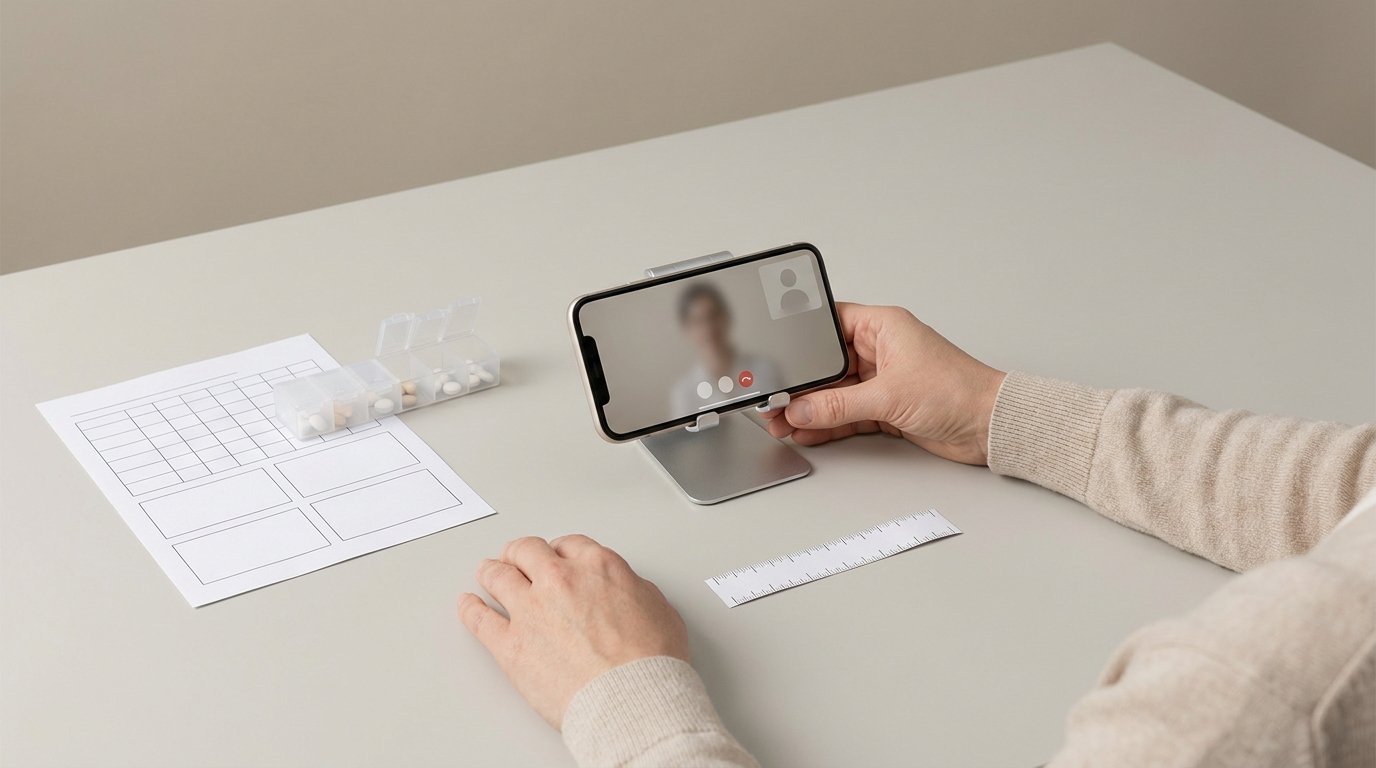
If you want a wider look at procedure planning, cheek augmentation in Turkey: cost, safety and recovery covers the broader logistics, while this article stays focused on the swelling timeline itself.
Frequently Asked Questions
References
- 📎American Society of Plastic Surgeons: Cosmetic Procedures
- 📎NHS: Cosmetic procedures
- 📎PubMed search: cheek implant malar augmentation recovery swelling
- 📎PubMed search: facial fat grafting cheek retention Aesthetic Surgery Journal Plastic and Reconstructive Surgery
Related Articles

You Might Also Like



Related articles

Our specialists
 Clineca SpecialistErkan PinegözPlastic & Reconstructive Surgery
 Clineca SpecialistHakan AktaşPlastic & Reconstructive Surgery
 Clineca SpecialistOrkun UzuneyüpoğluPlastic & Reconstructive Surgery
 Clineca SpecialistSalim İskenderPlastic & Reconstructive Surgery
 Clineca SpecialistEngin SelamioğluPlastic & Reconstructive Surgery
 Clineca SpecialistCem AydınPlastic & Reconstructive Surgery
 Clineca SpecialistAlperen ÖnalEar, Nose & Throat (ENT)