

Have a question about Mommy Makeover?
In this article
- Why the timeline varies more than people expect
- What does a mommy makeover recovery timeline look like week by week
- How do the first two weeks usually feel in real life
- When can you walk, stand straight, shower, drive, work out and lift children
- When is it usually safe to fly home after a mommy makeover in Turkey
- Which symptoms are normal, and which need urgent review
- How should you choose a clinic and set realistic recovery expectations
A mommy makeover sounds like one operation, but recovery rarely feels that simple. Because it usually combines breast surgery with abdominal contouring and sometimes liposuction, the healing curve is layered, and a realistic mommy makeover recovery timeline week by week matters more than most patients expect. We see the same with our own patients: a tummy tuck is almost never done on its own, with close to nine in ten having something else alongside it — most often a breast lift, a breast lift with implants, or liposuction. That is why the recovery you should prepare for is the slowest of the operations you had, not an average of them.
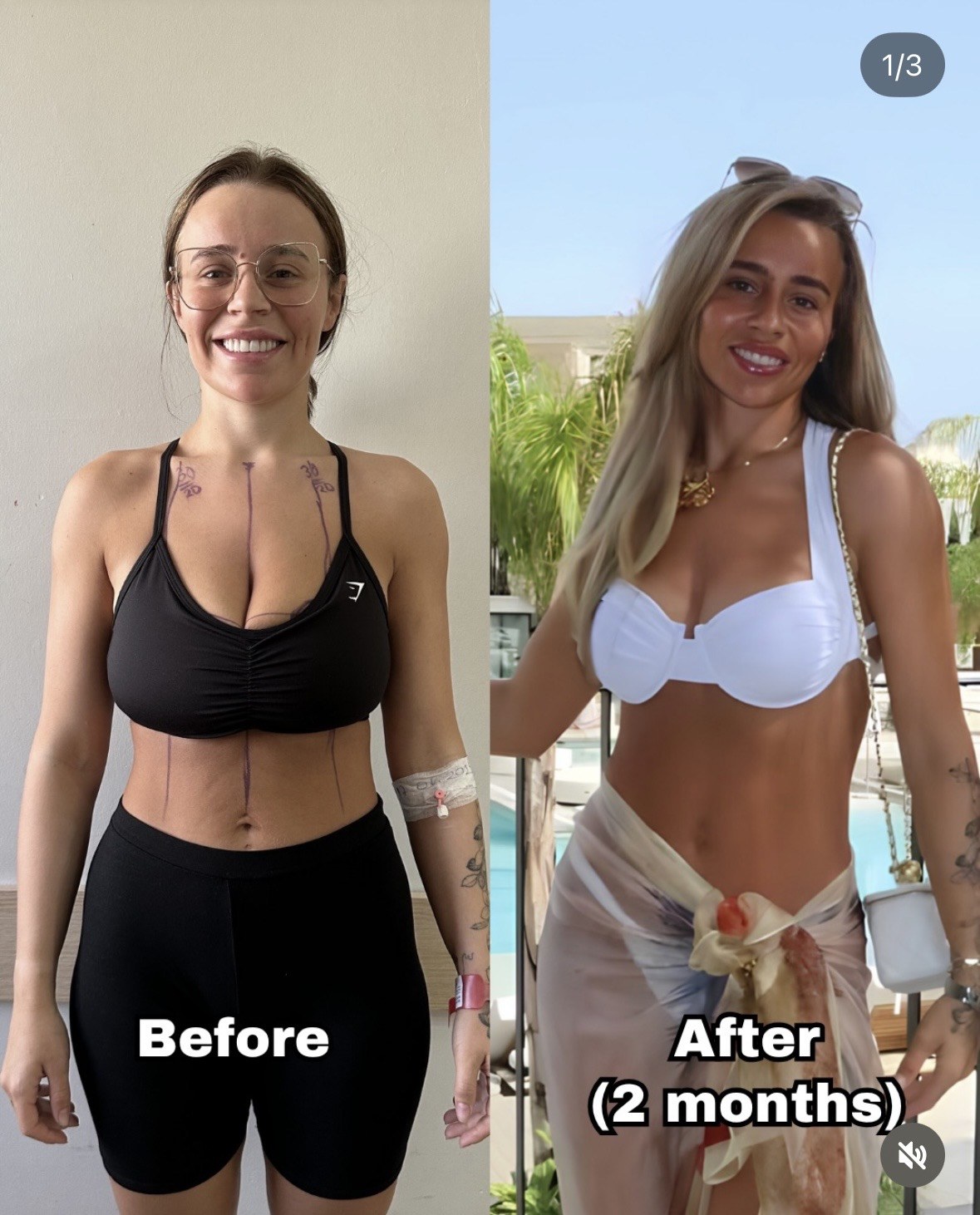
Why the timeline varies more than people expect
A mommy makeover is not one fixed procedure. It is a tailored combination, most often some version of tummy tuck, breast lift, breast augmentation, breast reduction, liposuction, or fat transfer. That means your recovery is shaped by which operations were combined, how extensive they were, whether drains were used, whether muscle repair was done in the abdomen, and your surgeon’s own aftercare protocol.
This is the part many patients underestimate. Recovery after a tummy tuck with muscle repair can be very different from recovery after breast surgery alone, and adding liposuction changes swelling, mobility, and fatigue again. If your plan includes abdominal work, it often becomes the “pace-setting” part of recovery. For readers who want a deeper look at the abdominal side, our article on abdominoplasty recovery week by week helps make sense of that piece.
Recognised bodies such as the NHS and ASPS both stress that cosmetic surgery recovery is individual and depends on the exact operation performed. BAAPS also advises patients to follow the specific aftercare instructions given by their own surgeon rather than assuming a standard timetable applies to everyone. That matters even more with combined surgery.
For medical travel patients, the timeline also includes logistics. You need to think about hotel support, walking safely after surgery, who helps with dressing changes if needed, how follow-up is arranged, and when the operating team is comfortable with you flying home. Those decisions are not based on comfort alone. They are based on wound checks, drain status if drains were placed, mobility, pain control, and the surgeon’s assessment of fitness to travel.
Think of recovery in layers: breast healing, abdominal healing, swelling, energy levels, and travel readiness do not all improve at the same speed.
Using someone else’s week-by-week story as if it were a fixed timetable can leave you underprepared, especially if your surgery combination was different.
What does a mommy makeover recovery timeline look like week by week
The clearest way to think about recovery is not “when will I be healed,” but “what usually becomes easier each week.” The table below gives a realistic framework, not a promise. Your surgeon’s instructions come first, especially for drains, compression garments, showering, lifting, scar care, sleeping position, and return to exercise.
In general, the first two weeks are about protecting incisions, controlling swelling, walking gently, and avoiding strain. By the end of the first month, many patients feel much more functional, but still not fully back to normal. Final softness, scar maturation, and the more settled body shape take longer.
📋 About drains and compression Not every mommy makeover involves drains, and compression routines differ by procedure and surgeon. The safest plan is the one given for your exact operation.
How do the first two weeks usually feel in real life
The first few days are often the hardest, not always because of pain alone, but because of stiffness, swelling, and how limited simple movement feels. If you had a tummy tuck, especially with muscle repair, you may walk slightly bent at first. Getting out of bed, using the bathroom, and changing position can feel slow and awkward.
By the end of the first week, many patients say they feel more in control, but not comfortable in a normal sense. You may be able to walk around your room or hotel more easily, eat more normally, and rely a little less on help. That said, fatigue can be surprisingly strong after combined surgery. It is common to feel better one day and then wiped out the next.
Week two is often when people get impatient. From the outside, you may look better than you feel. Bruising may fade, but swelling, abdominal tightness, breast heaviness, numb patches, and a pulling sensation through the torso can still be very present. ASPS patient guidance on body contouring procedures notes that swelling and activity limits remain part of early recovery, and the NHS also warns that cosmetic surgery can take weeks to months to settle fully.
If you are travelling for surgery, this stage is where organisation matters. One of the questions patients ask most often is not only when they can fly, but whether they will feel capable of packing, checking out, sitting in a car, and handling the airport. Those practical details matter as much as the medical clearance itself.
- ✓Arrange help for the first several days, especially if you have young children.
- ✓Keep essentials at waist height so you are not repeatedly reaching or bending.
- ✓Plan loose clothing, easy slip-on shoes, and a room setup that limits unnecessary movement.
- ✓Ask before surgery who to contact out of hours if pain, drainage, or swelling changes suddenly.

When can you walk, stand straight, shower, drive, work out and lift children
This is where generic online timelines can become misleading. The answer depends on which parts of the mommy makeover you had.
Walking usually starts very early, often the same day or the next day, because gentle movement supports circulation. But early walking does not mean normal mobility. If you had abdominal muscle repair, standing fully upright may take time and should happen gradually, based on your surgeon’s instructions.
Showering depends on dressings, drains, incision type, and whether the team wants wounds kept dry for a set period. Driving is usually delayed until you are off stronger pain medication, can react normally, and can turn and brake safely without straining incisions. That point arrives sooner for some patients and later for others.
Exercise is often phased. Light walking comes first. Then longer walks. Then lower-impact activity. Core work, upper-body training, running, and lifting are usually held back longer, especially after tummy tuck and breast surgery. Lifting children is one of the biggest real-life recovery challenges, and many patients need a proper support plan at home because even when pain has eased, the tissues may not be ready for that strain.
If your procedure included a significant tummy tuck component, our article on combined surgery in Turkey: safety, cost and recovery is useful for understanding why recovery can feel longer than expected when operations are stacked together.
⚠️ Do not use milestones as permission slips Being able to do something is not the same as being ready to do it safely. Overactivity is a common reason patients feel more swollen and sore again.
When is it usually safe to fly home after a mommy makeover in Turkey
There is no universal flight date that fits every mommy makeover. Travel timing depends on the exact operation, the length of the flight, your mobility, wound condition, whether drains are still in place, and your surgeon’s assessment of clot risk and post-op stability.
In practice, clinics that organise medical travel usually build in enough time for at least the key early checks. That often includes seeing how you are walking, whether swelling is within expected limits, whether drains have been removed if they were used, and whether there are any wound concerns. It is not only about whether you feel like going home. It is about whether the team believes travel is sensible.
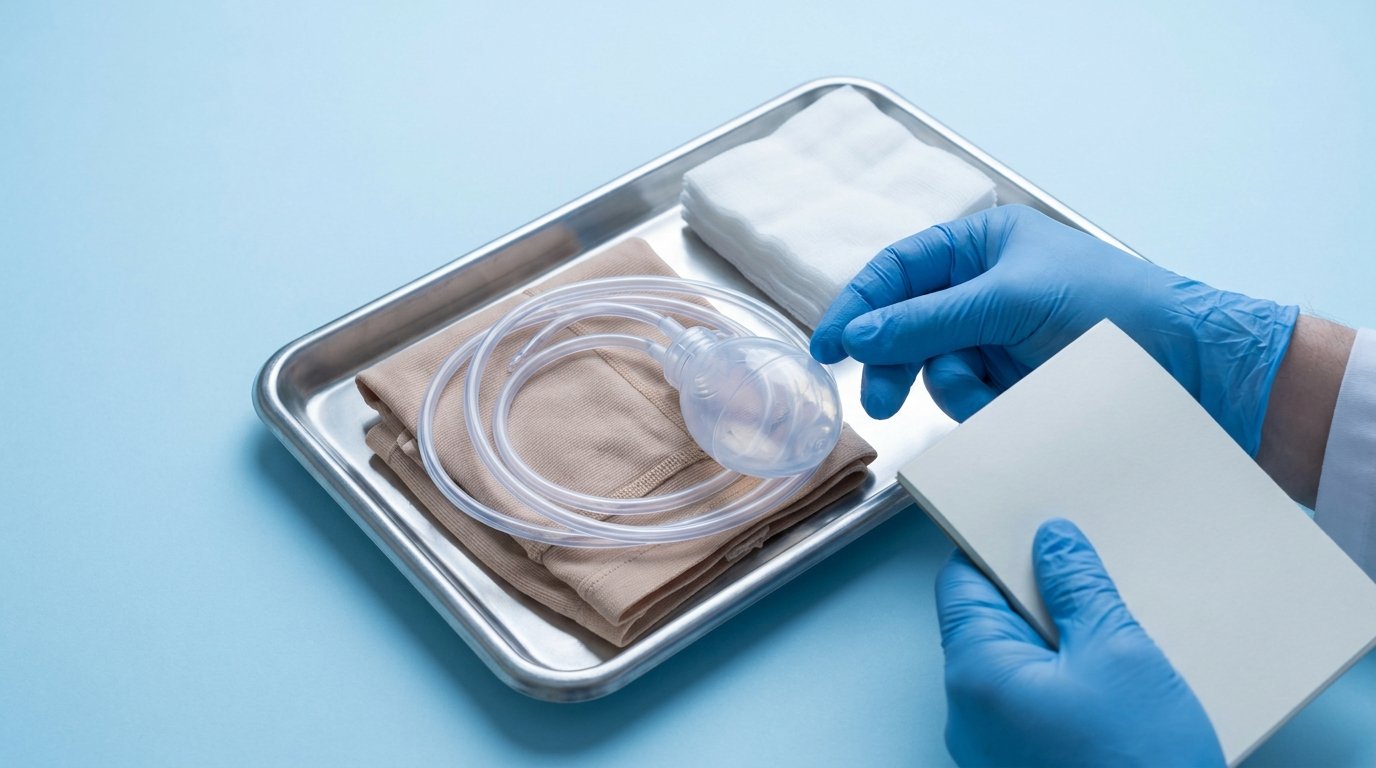
Long-haul travel adds another layer because sitting still for longer is harder when you are swollen and stiff. The NHS advises patients having cosmetic surgery abroad to think carefully about follow-up and what happens if problems develop after they return home. That is one reason it helps to understand exactly what is included in your package, especially transfers, hotel support, nursing contact, and follow-up appointments. Our article on what an all-inclusive surgery package in Turkey usually includes can help you ask sharper questions.
For practical planning, ask these before booking:
- ✓How many in-person checks are planned before I fly?
- ✓What signs would delay travel clearance?
- ✓Who removes drains or changes dressings if needed?
- ✓What compression garment instructions apply during travel?
- ✓How do I contact the team once I am back home?
A well-run clinic is usually clear and prompt about these details. Slow or vague communication before booking often becomes frustrating after surgery too.
Which symptoms are normal, and which need urgent review
Some discomfort is expected. Swelling, bruising, tightness, low energy, mild asymmetry early on, and patches of numbness can all happen during normal healing. Small shifts from day to day are common too, especially after more than one procedure.
What should make you pause is a change that feels clearly outside your trend. Increasing redness, fever, worsening pain rather than slowly improving pain, one-sided calf swelling, chest pain, shortness of breath, heavy bleeding, or suddenly opening wounds need urgent medical advice. Those are not symptoms to watch casually.
The NHS warns that all cosmetic surgery carries risks such as infection, blood clots, and wound-healing problems. ASPS and BAAPS both emphasise the importance of using properly trained surgeons, accredited facilities, and reliable follow-up because early recognition of complications matters.
If you are choosing a clinic abroad, safety is not only the operating room. It is also who answers messages after discharge, whether instructions are written clearly, whether you know who to call at night, and whether concerns are taken seriously rather than brushed off.
🚨 Seek urgent care immediately Chest pain, shortness of breath, or one-sided leg swelling can signal a serious complication and should not wait for a routine message reply.
Swelling that slowly trends down, discomfort that improves week by week, and incisions that look stable rather than increasingly inflamed.
Breathlessness, chest pain, calf swelling, fever, spreading redness, foul-smelling drainage, or sudden worsening pain need prompt medical review.
How should you choose a clinic and set realistic recovery expectations
The safest mindset is to choose the team first and the package second. Look for clear surgeon credentials, a licensed hospital setting, and structured follow-up. In Europe, EBOPRAS is one recognised board standard in plastic surgery, while BAAPS and ASPS both offer patient-facing guidance on what to ask before cosmetic surgery.
For a mommy makeover, organisation is part of the medical experience. You want clear written instructions, quick replies, honest answers about how long you should stay, and no pressure to book before you understand the recovery trade-offs. If you feel you are being sold speed, convenience, or a dramatic transformation without a sober recovery discussion, step back.
It also helps to read beyond glamorous before-and-after content. Ask how the clinic handles swelling checks, drain questions, scar care, activity restrictions, and after-return communication. If your quote is hard to understand, ask for it to be broken down in plain language, including hospital fees, garments, follow-up, hotel, and transfers if offered. A personalised price should come after consultation, not before the operation is properly planned.
If you are still deciding whether a combined operation is the right route, our page on mommy makeover in Turkey explains the broader planning questions around candidacy, recovery and logistics.
Frequently Asked Questions
References
- 📎NHS: Cosmetic surgery
- 📎ASPS: Cosmetic procedures
- 📎BAAPS
- 📎PubMed search: abdominoplasty recovery complications venous thromboembolism body contouring
Related Articles

You Might Also Like



Related articles

Our specialists
 Clineca SpecialistErkan PinegözPlastic & Reconstructive Surgery
 Clineca SpecialistHakan AktaşPlastic & Reconstructive Surgery
 Clineca SpecialistOrkun UzuneyüpoğluPlastic & Reconstructive Surgery
 Clineca SpecialistSalim İskenderPlastic & Reconstructive Surgery
 Clineca SpecialistEngin SelamioğluPlastic & Reconstructive Surgery
 Clineca SpecialistCem AydınPlastic & Reconstructive Surgery
 Clineca SpecialistAlperen ÖnalEar, Nose & Throat (ENT)